
Lectio Terra (Latin for “earth reading” or “reading of the earth”) is a weekly series of readings and images drawn from botany, philosophy, poetry, and other disciplines.
Each collection focuses on a single species of plant or animal—or a specific type of cloud, rock, landform, etc.—that is more or less relevant to the current season. I collect the texts and images primarily from digitized print sources that are in the public domain (i.e., out of copyright), occasionally supplementing these with contemporary media, art, and scholarship.
Both the name and format of Lectio Terra are loosely inspired by the Christian devotional practice of lectio divina (“divine reading”), in which selected scriptures are slowly read and contemplated. The noun lectio is also related to the form of the lectionary: a book, list, or collection of readings intended for a specific day or occasion.
Adapting these practices to natural phenomena and cultural or scientific texts is meant to encourage similar patterns of attention, reflection, and response, in which we move between past and present, personal and universal, physical and spiritual, while remaining tethered to the present moment. By also including a barrage of hyperlinks and supplemental materials in each post, the project emphasizes the mediated abundance of our relationship to nature and draws our cultural record into the moment of observing and encountering the world.
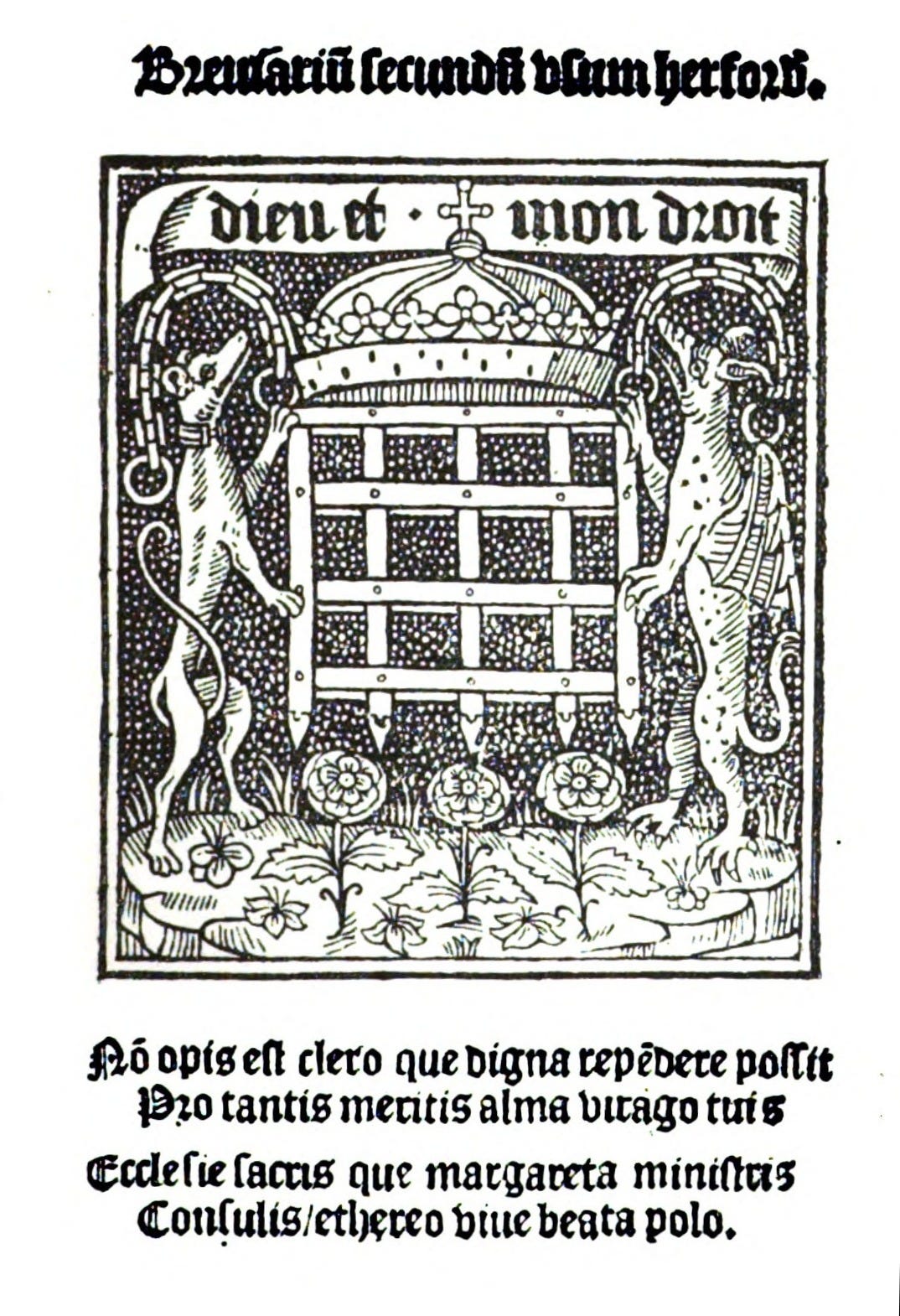
For each weekly set of readings/images, a headnote provides a mix of cultural and historical context, personal anecdotes, and taxonomical details. Of course, naming nature—assigning words to other things and beings—has a complicated history involving both creativity and domination. Diving into taxonomical information is not meant to authoritatively define the species at hand but to show how nature and culture, experience and knowledge are tangled. Human ideas, feelings, and stories depend on the material world even as they shape and change it.